noveltysolarpro.com

Brushes for Cleaning Solar Panels: A Comprehensive Guide (Including Price, Supplier and Double Head Type)

Brushes for Cleaning Solar Panels: A Comprehensive Guide (Including Price, Supplier and Double Head Type)

Solar panels are a long-term investment, and their performance is directly tied to how clean they are. Dust accumulation, bird droppings, pollen, and airborne debris can reduce power generation efficiency by 15 to 30% or more. In regions with heavy pollution or extended dry seasons, that loss can be even greater. Regular cleaning is a core part of solar system maintenance.

A dedicated cleaning brush for solar panel surfaces is the safest and most effective tool for the job. Unlike pressure washers or abrasive pads, the right brush removes dirt without scratching the delicate anti-reflective glass coating. Being a solar owner, it is crucial for you to know the types of brushes for cleaning solar panels available on the market, a closer look at the double-head solar panel cleaning brush, tips to choose a reliable brush for cleaning solar panels, and this whole guide covers everything fr you. Let’s learn everything from the basics of solar panel cleaning brushes to how to choose reliable ones.

An Overview of Brushes for Cleaning Solar Panels

Definition and Core Functions

A cleaning brush for solar panel use is a professional tool engineered specifically for solar glass surfaces. Unlike general-purpose brushes, these are designed with soft, non-abrasive bristles and structures that conform to flat panel surfaces. Their core functions are threefold: effectively removing dust and stains, protecting the panel glass from scratches, and maintaining optimal power generation efficiency over the long term.

1.2 Common Types of Brushes for Cleaning Solar Panels

The market offers several configurations to suit different installation types and cleaning needs:

Manual cleaning brush for solar panel: The entry-level option, ideal for small residential rooftop systems. Simple to operate, affordable, and effective for routine dust removal.

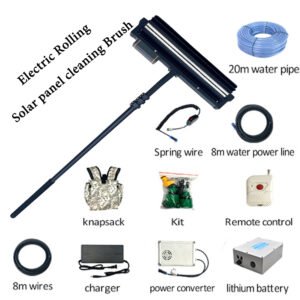
Electric cleaning brush for solar panel: motorized and highly efficient, suited for commercial installations and large-scale solar farms where manual cleaning is impractical.

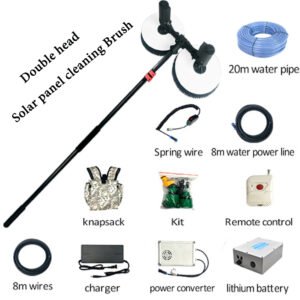
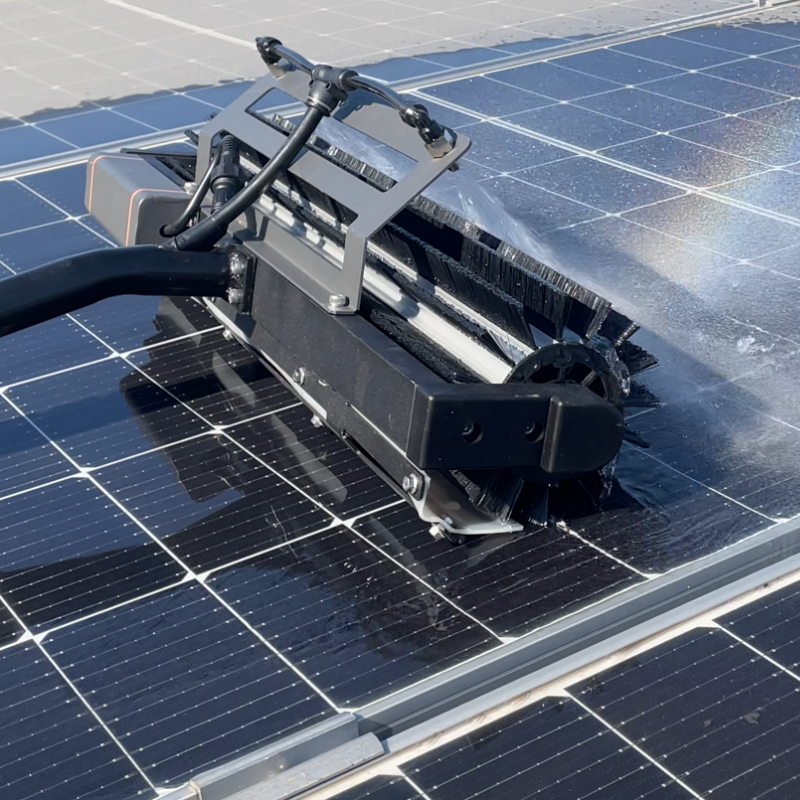
Double-head solar panel cleaning brush: A standout category featuring dual rotating heads for broader coverage and faster cleaning.

Telescopic handle and water-fed types: Designed for panels at height, these combine reach with integrated water delivery for streak-free results.

Double-Head Solar Panel Cleaning Brush for Sale

2.1 Product Features and Advantages

The double-head solar panel cleaning brush is increasingly the preferred choice for anyone managing more than a handful of panels. Its defining feature is a dual rotating brush head that is often built with a louvred or vented structure. This structure cleans a wider path with each pass compared to a single-head tool. Most models come with telescopic handles available in 3.5m, 5.5m, and 7.5m lengths, making it easy to reach panels at various heights without a ladder.

Additional practical features include

A water-saving single-inlet design that channels water evenly across both brush heads

Waterproof connectors for safe outdoor use

And a sturdy build that holds up to daily commercial use.

Overall, the double-head solar panel cleaning brush is a tool that cleans more thoroughly in less time while minimising the risk of panel damage.

2.2 Application Scenarios

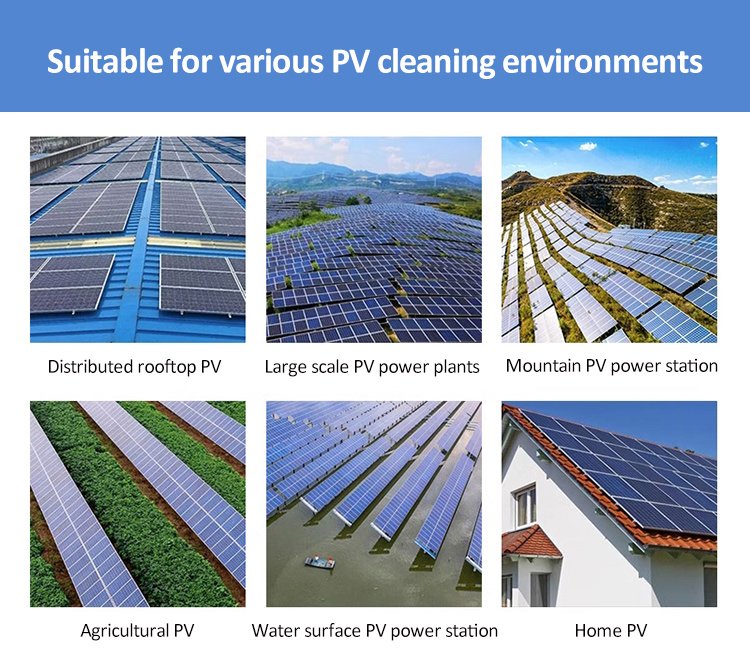
Double-head brushes are well-suited to commercial distributed solar power stations, large ground-mounted solar farms, and residential rooftop systems that cover a wide area or are installed at a significant height. They also perform well on industrial solar installations where the terrain is uneven or access is difficult.

2.3 Key Points for Choosing a Double-Head Brush

When evaluating a double-head solar panel cleaning brush for sale, focus on three areas.

Bristle material: nylon, polyester, or blended bristles all work well as long as they are confirmed non-abrasive.

Telescopic handle quality: aluminium alloy handles are affordable and corrosion-resistant, while carbon fiber is lighter and more rigid for extended reach.

Power and water compatibility: the best models offer flexibility to work with different power sources and water connection setups, and make them practical across varied job sites.

Brush for Cleaning Solar Panels Supplier — Selection and Overview

3.1 Criteria for Selecting Reliable Suppliers

Not all suppliers are equal. When sourcing a brush for cleaning solar panels, evaluate them on four criteria.

Product quality is first; bristles must meet non-abrasive standards, and the structure should be durable enough for regular outdoor use.

Supply capacity matters for commercial buyers: a reliable supplier maintains a stable inventory and can handle bulk orders.

Service advantages like OEM and ODM customisation, sample availability, and responsive after-sales support are strong indicators of a professional operation.

Finally, compare pricing in context: the lowest price rarely means the best value when quality and delivery reliability are factored in.

3.2 Key Suppliers Around the World

On the international side, names like Karcher, Ecoppia, Aegeus Technologies, and Tucker USA are well-established, offering mature product lines with global distribution networks.

For buyers seeking cost-effective alternatives, particularly for bulk purchasing, Chinese manufacturers such as JMHPOWER, Shandong Luyu Intelligent Technology, Suzhou Xiaoqiang Robot Technology, Dasion Brush, and Xiamen Novelty offer competitive pricing with a wide range of product types.

Solar Panel Cleaning Brush Price — Analysis and Reference

4.1 Price Range and Influencing Factors

Solar panel cleaning brush price varies enormously, from under $1 for basic handheld tools to over $4,000 for fully automated robotic systems. The key factors driving price differences are product type, specifications, supplier type, and order quantity. Factory-direct purchases are consistently cheaper than buying through middlemen, and bulk orders unlock significantly better unit pricing across all categories.

4.2 Price Reference by Product Type

Manual cleaning brush for solar panel: $0.55 to $49.46. This covers basic handheld models and simple telescopic-handle brushes without any electric function.

Double-head solar panel cleaning brush for sale: $26.85 to $953.77. Price varies by handle length, whether the model is manual or electric, and build quality.

Electric cleaning brush (single head): $20.49 to $607.59. motorized models with higher RPM control and waterproofing sit at the upper end.

Automatic cleaning robot with brush: $503.17 to $4,278.54. Designed for large solar farms, these systems require the highest upfront investment but reduce labour costs significantly over time.

Purchase Guide for Brushes for Cleaning Solar Panels

Making the right purchase decision is straightforward when you follow a structured approach:

Determine your needs first. Consider your solar panel scale; residential or commercial, the installation height, and the typical type of soiling in your area (dust, pollen, bird droppings, industrial residue).

Select the right product type. A basic soft brush with a long handle suits most homeowners. A double-head solar panel cleaning brush for sale is the smarter choice for larger systems. Electric and robotic options are reserved for commercial-scale operations.

Screen your supplier carefully. Request samples before committing to a bulk order. Verify certifications, check reviews, and confirm after-sales support policies.

Match the price to your budget and performance needs. Do not default to the cheapest option; a low-quality brush that scratches panels will cost far more in the long run.

Follow correct usage and maintenance practices after purchase. Always use straight strokes, rinse the brush head after every use, store it out of direct sunlight, and inspect bristles regularly for wear.

Conclusion

Brushes for cleaning solar panels are an essential part of any solar maintenance routine. The market offers a wide range of options, from simple manual tools priced under $5 to professional double-head and robotic systems, meaning there is a practical solution for every installation type and budget. The double-head solar panel cleaning brush stands out for its efficiency advantage, and makes it the go-to choice for anyone managing medium to large solar systems. Pairing the right product with a reliable supplier will ensure you get lasting value from your investment.

As the global solar industry continues to expand, cleaning technology is moving in a clear direction: smarter, faster, and more energy-efficient. Whether you are a homeowner maintaining a small rooftop array or a facility manager overseeing a commercial solar farm, choosing the right cleaning brush today is one of the simplest ways to protect your system's long-term performance.
Best Solar Panel Cleaning Brushes: A Complete Guide

Best Solar Panel Cleaning Brushes: A Complete Guide

If you are a solar owner, you may need to know that grime, bird droppings, pollen, and airborne debris all block sunlight from reaching the photovoltaic cells beneath the glass, quietly eating into your system's performance month after month.

The fix is simpler than most people think: regular cleaning with the right tool. Not just any brush, though, a purpose-built brush designed specifically for solar panel surfaces. Whether you have a small rooftop residential system or a sprawling commercial array, there is a brush built for your situation. This guide covers all three major categories: basic handheld brushes, brush and pole combos, and long brushes for large installations, so you can choose with confidence.

Why You Need a Specialised Brush for Cleaning Solar Panels

When your panels look dirty, it is tempting to grab whatever brush is nearby, a car wash brush, a household scrubber, or even a broom. That decision can be costly. Ordinary brushes are made for surfaces far more durable than solar glass. The anti-reflective coating on most solar panels is thin and sensitive; a single session with a stiff or abrasive brush can leave microscopic scratches that permanently reduce light absorption. Some household brushes also leave residue or fibers behind, which attract more dust and create new problems.

Using a brush designed specifically for cleaning solar panels is the safest and most effective way to maintain your system. These brushes use soft, non-abrasive bristles engineered to lift dirt without aggressively contacting the coating. They are sized and shaped for flat panel surfaces, built to work with or without water, and designed for repeated outdoor use. The differences in results and panel longevity are significant.

Types of Solar Panel Cleaning Brushes

3.1 Basic Solar Panel Cleaning Brushes

The simplest option is a handheld soft-bristle brush, and for many homeowners, it is all they need. These brushes typically use nylon or polyester bristles with a Shore hardness in the soft to extra-soft range, ensuring they will not scratch the panel surface. They are lightweight, easy to store, and require no electricity or special equipment.

Basic brushes work best for ground-level or low-roof installations where you can reach the panels comfortably without a ladder. They excel at routine maintenance: knocking off loose dust between deeper cleaning sessions. We have evaluated dozens of options to round up the best solar panel cleaning brushes for everyday use, and the consistent winners share three traits: firmly attached bristles that do not shed, an ergonomic handle that reduces wrist fatigue, and a brush head wide enough (at least 25 cm) to cover decent ground per stroke.

3.2 Solar Panel Cleaning Brushes with Poles

For rooftop solar systems, the best solar panel cleaning brush and pole combo saves time and eliminates the need for ladders. Telescopic pole brushes extend from around 3 meters up to 12 meters, letting you clean panels at height while keeping both feet safely on the ground. The brush head connects via a pivoting joint that adjusts the cleaning angle to match your panel's tilt.

The best pole-mounted brushes offer two key upgrades over basic handheld tools.

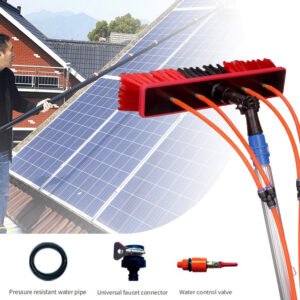
First, water-fed options: water travels through the hollow pole and flows out near the brush head, providing continuous lubrication that reduces friction and leaves panels streak-free.

Second, rotating heads: some models include motor-driven brush rotation (300–600 RPM) that cleans more thoroughly without additional manual effort. Pole materials matter too, aluminum alloy is affordable and corrosion-resistant, while carbon fiber is significantly lighter, an important factor when you are holding a 7-meter pole above your head.

3.3 Long Brushes for Cleaning Solar Panels

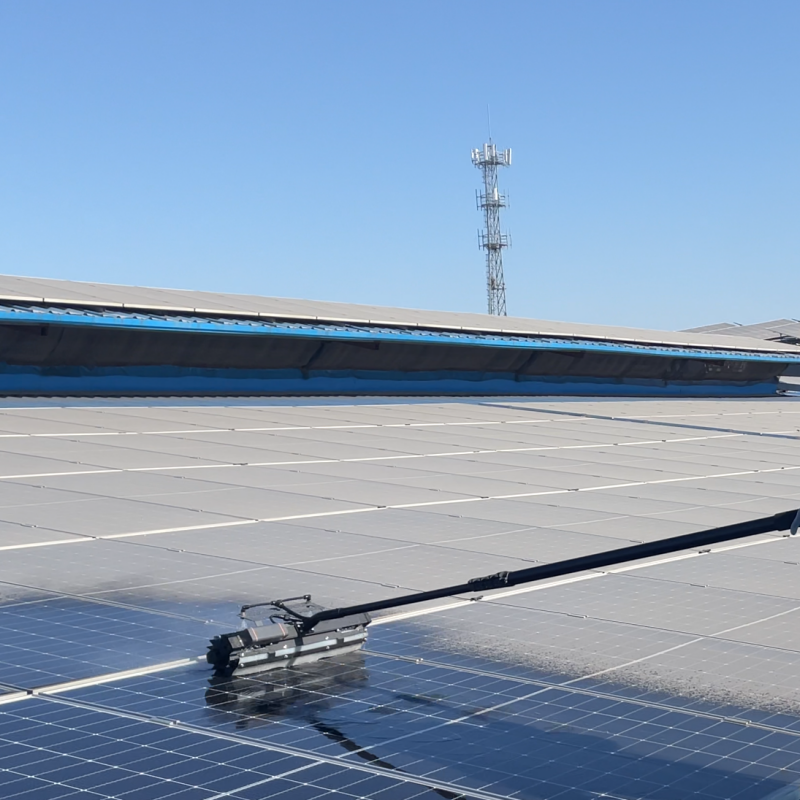
Long brushes for cleaning solar panels are a game-changer for commercial installations, cutting cleaning time in half compared to single-head tools. These feature extra-wide brush heads, often 60 to 120 cm across or extended fixed handles that cover large panel areas in fewer passes. They are the tool of choice for solar farm maintenance crews and businesses with multiple rooftop arrays.

The key design requirement for long brushes is structural rigidity. A brush head that flexes or wobbles mid-stroke applies uneven pressure, which can lead to missed spots and inconsistent cleaning. Look for reinforced brush frames and high-quality handle connections. Most commercial-grade long brushes support both dry and wet cleaning, and make them versatile across seasons and soil types.

How to Choose the Best Brush for Cleaning Solar Panels

Keep these four factors in mind to choose the best brush for cleaning solar panels that fits your needs:

Bristle material: Soft nylon or polypropylene (PP) bristles are the gold standard. They are flexible enough to conform to the panel surface, tough enough to dislodge dried-on debris, and non-abrasive at any normal cleaning pressure. Avoid any brush with metal wires or hard synthetic bristles; these scratch glass without exception.

Panel type and system scale: A small residential array of 6 to 10 panels is well-served by a basic handheld brush or a short pole combo. A large residential or small commercial installation (20 to 50 panels) benefits from a pole brush with a water feed. Anything above that scale calls for a long brush or motorized system.

Cleaning method: Dry brushing is suitable for loose dust and regular light maintenance. Wet cleaning, using water through a water-fed pole or a separate hose, is better for stubborn stains, bird droppings, and pollen. In hard-water areas, use filtered or deionised water to avoid mineral deposits.

Durability and ease of use: A telescopic pole should feel firm at every extended length, with no wobble or creaking. Brush heads should lock securely and detach easily for cleaning. Heavier is not better here; a lighter tool reduces fatigue during longer cleaning sessions.

Top Recommendations

5.1 Best Solar Panel Cleaning Brushes (Handheld)

For everyday residential maintenance, look for a brush with a 30 to 40 cm microfiber or soft nylon head, a non-slip grip handle, and bristles that are visibly flexible when pressed lightly. Models from Ettore, Unger, and dedicated solar cleaning brands consistently rank at the top for build quality and bristle performance. A brush in the $15 to $40 range from these makers will outlast cheaper alternatives and keep bristles soft through dozens of cleaning cycles.

5.2 Best Solar Panel Cleaning Brush and Pole Combos

The ideal pole combo for residential rooftops has a telescopic range of at least 4 to 6 meters, a water-fed channel, and a pivoting brush head. Carbon fiber poles in the $80 to $200 range offer the best balance of weight and stiffness. For those on a tighter budget, aluminium alloy pole-brush sets in the $40 to $80 range perform reliably for systems under 6 meters high. Always confirm the pole's rated working load before purchasing; it should comfortably support the brush head plus water flow pressure.

5.3 Best Long Brushes for Cleaning Solar Panels

Commercial buyers should target brushes with heads between 60 and 100 cm, reinforced aluminium or stainless steel frames, and compatible mounting for both manual and motorized operation. Units from JMHPOWER and Dasion Brush offer strong commercial-grade options in the $100 to $400 range. For the largest installations, investing in a dual-head rotating brush system significantly reduces labour hours per cleaning cycle.

Tips for Using Solar Panel Cleaning Brushes

When to clean: Early morning or late afternoon is best. Cleaning during peak sun hours causes water to evaporate too quickly, leaving mineral spots on the glass. Cooler panel temperatures also mean less thermal shock when water contacts the surface.

Cleaning steps: Start with a dry brush pass to remove loose dust and debris. Follow with a wet pass using clean water and your brush, work in straight strokes from top to bottom so dirty water flows away from cleaned areas. Rinse gently if needed and allow panels to air dry.

Brush maintenance: Rinse the brush head thoroughly after every use and shake out excess water. Store it in a shaded, dry location; UV exposure hardens bristles over time. Inspect the brush head before each session and replace it once the bristles start to fray, discolour, or stiffen.

Safety: Always turn off your solar inverter before cleaning. Use a stable, non-slip ladder if needed, and avoid cleaning in windy conditions. A water-fed pole at full extension can be difficult to control in gusty weather.

Conclusion

One of the easiest ways to protect your energy investment is to keep your solar panels clean. The right tool makes it safe, fast, and gentle on your panels; the wrong one causes damage that no amount of cleaning can undo.

Overall, basic handheld soft-bristle brushes are perfect for small, accessible systems and routine maintenance. Brush and pole combos are the smart upgrade for rooftop installations where ground-level reach is not enough. Long brushes deliver the speed and coverage that commercial arrays demand. Match your choice to your system's scale, height, and typical soiling, and you will find the right fit quickly.

Investing in the best solar panel cleaning brush will save you time, protect your panels, and maximise your energy savings long-term. Clean panels are efficient panels, and with the right brush in hand, keeping them that way is easier than you think.

How to Choose a Solar Panel Cleaning Brush: Soft, Electric, Long-Handle Compared

How to Choose a Solar Panel Cleaning Brush: Soft, Electric, Long-Handle Compared

If you own solar panels, you already know that keeping them clean is essential. Dust, bird droppings, and pollen can reduce energy output by 15 to 30% or more, depending on your location and season. Regular cleaning keeps your system performing at its best. But here is the part most people overlook: how you clean matters just as much as how often you clean.

Using the wrong tool can scratch the anti-reflective coating on your panels, create micro-cracks in the glass, or damage edge seals, all of which lead to long-term performance loss and voided warranties. This is exactly why choosing the right solar panel cleaning brush is so important.

The core rule is simple: your brush must be soft, a long-handled brush to ensure safety, and an electric or motorized option is worth considering if you manage a large system. Let’s break down everything you need to know to make the right choice.

Soft Brush for Solar Panel Cleaning: The Foundation of Any Kit

The single most important feature of any solar panel cleaning brush is its softness. The glass surface of a solar panel has a delicate anti-reflective coating that can be permanently scratched by hard bristles. Once that coating is damaged, light absorption drops and your panel's efficiency is compromised permanently.

Best Bristle Materials

Soft brushes for cleaning the solar panels is crucial to enhance their performance. The three safest bristle materials for solar panels are microfiber, natural bristle (such as horsehair), and soft nylon. Microfiber is the most popular choice because it lifts dirt without scrubbing. Natural bristles are gentle and flexible, and are an excellent option for delicate coatings. Moreover, Soft nylon works well when paired with water and is highly durable over time.

What to Avoid

Never use hard brushes, stiff-bristle scrubbers, steel wool, or pressure washers on solar panels. Always go for soft brushes for solar panel cleaning because hard brushes cause surface scratches and micro-cracks. Even a car wash brush, which may seem soft, is often too stiff for solar glass and can cause damage over time. When in doubt, if the bristles feel firm against the back of your hand, they are too hard for your panels.

Brush Lifespan and When to Replace

A quality soft brush for solar panel cleaning typically lasts one to three years with regular use. Replace it when bristles start to fray, harden, or discolour. A worn brush is more likely to scratch than a new one, so do not push its lifespan out of habit. Always check the brush head before every use, especially after storing it in direct sunlight or extreme cold.

Manual vs. Electric vs. Long-Handle Configurations

Once you know your brush must be soft, the next decision is configuration. There are three main setups, each suited to a different type of installation.

Soft Brush + Long Handle

If you have a small rooftop or balcony solar system, then this is the most practical and affordable solution for homeowners. A lightweight soft brush head attached to a telescopic pole lets you reach panels from the ground or from a safe ladder position. It reduces fall risk significantly and requires no power source, and is gentle on panels when used with the correct technique.

Electric or Motorized Rotating Soft Brush

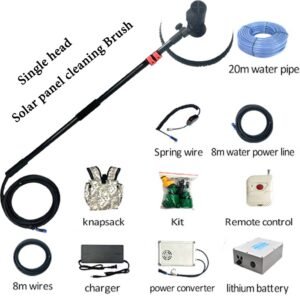
A motorized solar panel cleaning brush is a major time-saver for large ground-mounted arrays or commercial rooftops. These brushes use a rotating soft head, typically spinning at 300 to 600 RPM, to clean large surface areas quickly. Anything above 600 RPM risks creating micro-abrasions and should be avoided. Electric solar panel cleaning brushes come in corded and cordless versions; cordless options offer more flexibility on large sites but require battery management.

Long Handle + Electric Brush Head

The professional-grade option combines an electric rotating soft brush head with a telescopic long handle. This setup covers the best of all worlds: reach, speed, and gentle cleaning. It is the preferred choice for solar maintenance contractors managing high rooftops or solar farms.

Key Buying Parameters

When shopping for a solar panel cleaning brush, consider the following five specifications:

Bristle hardness: Look for Shore hardness ratings in the soft to extra-soft range. Anything labelled "medium" or above is generally too firm for anti-reflective-coated glass.

Brush head width: Common widths range from 25 to 45 cm. Wider heads cover more area per stroke, which is useful for larger panels, but can be harder to manoeuvre around panel edges.

Pole material: Carbon fiber poles are the lightest and strongest, ideal for tall rooftops. Aluminium alloy is budget-friendly and durable. Fibreglass is a good middle ground, lighter than aluminium but more affordable than carbon fiber.

Motor type (for electric brushes): Choose low-voltage DC motors with an IPX7 or higher waterproof rating. This rating ensures the motor is safe to use with a water spray during cleaning.

Water connection support: Some brushes include an integrated spray function, water flows through the pole and out near the brush head. This saves time and ensures consistent wetting, which reduces friction and prevents water spots.

How to Use and Maintain Your Solar Panel Cleaning Brush

Cleaning Frequency

In dry or dusty regions, panels may need cleaning every four to six weeks. In areas with regular rain, monthly or even bi-monthly cleaning may be sufficient. However, bird droppings and pollen spikes in spring are common triggers for an extra cleaning session, regardless of your regular schedule.

Proper Technique

Always use straight back-and-forth strokes along the length of the panel. Never use circular or scrubbing motions because these create uneven pressure and increase the risk of scratches. Start from the top and work downward to keep the dirt from flowing away from areas you have already cleaned. Avoid brushing over junction boxes or edge seals, as moisture intrusion in those areas can cause serious electrical damage.

Caring for Your Brush

Rinse the brush head thoroughly with clean water after every use. Allow it to air dry in a shaded area because prolonged UV exposure hardens bristles over time. Store telescopic poles horizontally or hang them vertically to prevent warping. For electric models, wipe down the motor housing and check the waterproof seals periodically.

Frequently Asked Questions (FAQ)

Can I use a car wash brush?

Usually not. Car wash brushes are designed for paint, which is far more durable than solar panel glass coatings. Most car brushes have bristle hardness ratings that are too high and can leave fine scratches that reduce light transmission over time. Always choose the solar panel cleaning brushes specifically designed for solar panels.

Do I need detergent?

In most cases, pure water is all you need. If there is stubborn residue such as bird droppings or tree sap, use a mild neutral cleaner, pH 6 to 8. Avoid acidic or alkaline cleaners, as they can degrade anti-reflective coatings and damage frame seals. Never use window cleaning sprays or household detergents.

Will an electric brush scratch my panels?

It depends on two things: bristle hardness and rotation speed. A motorized solar panel cleaning brush with soft bristles operating at 300 to 600 RPM is generally safe. Problems arise when the bristles are too firm or the motor speed is set too high. Always test a new electric brush on a small corner of a panel and inspect for marks before cleaning the entire array.

Conclusion & Recommendations

A selection of the right solar panel cleaning brush comes down to your system size, roof height, and budget. For instance, a soft brush paired with a telescopic long handle is the safest option for home users with small rooftop or balcony systems. It is the most cost-effective solution, keeps you grounded, and requires no power source. Whereas, for large systems or commercial installations, invest in a motorized rotating soft brush with a telescopic long handle. It is a time-saver option because cleaning 100 panels manually can take four or more hours, but a motorized setup can cut that to under one hour. Regardless of which setup you choose, always prioritise bristle softness above everything else. Your panels are a long-term investment, and the right brush protects that investment every time you clean.

Special Cleaning Brushes for Solar Panels: Types, Purchase, Sales and Usage Guide

Special Cleaning Brushes for Solar Panels: Types, Purchase, Sales and Usage Guide

For many solar panel owners, the real challenge is access. Panels installed on steep rooftops, high-mounted ground arrays, or commercial facilities are difficult and unsafe to reach with ordinary tools. A standard mop or household scrubber is not only inconvenient, but it is also dangerous to the panel surface. Hard bristles or abrasive materials can scratch the anti-reflective glass coating, causing irreversible efficiency losses that no amount of cleaning can reverse.

This is exactly why specialised solar panel cleaning brushes exist. This guide covers the most important types, including the long brush for solar panel cleaning, the long handle brush for cleaning solar panels, the roller brush for solar panel cleaning, the rotary brush for solar panel cleaning, and the rotary solar panel cleaning brush, along with practical guidance on selecting the right tool. Let’s learn what to look for when a rotary solar panel cleaning brush for sale catches your eye, and how to use each type safely and effectively.

Overview of Solar Panel Cleaning Brushes

A solar panel cleaning brush is a purpose-built tool designed to remove surface contaminants without scratching or damaging the panel's glass or coating. Unlike general-purpose brushes, these tools use soft, non-abrasive bristles and structures engineered specifically for flat photovoltaic surfaces.

The market today offers six primary types, each targeting a different cleaning scenario:

The long brush for solar panel cleaning

The long handle brush for cleaning solar panels

The roller brush for solar panel cleaning

The rotary brush for solar panel cleaning

The rotary solar panel cleaning brush and speciality models are designed for both residential and commercial use.

Choosing the right category depends on your panel's installation height, the type of soiling you typically face, and whether you need a tool for routine maintenance or deep-cleaning sessions. Using a professional brush, rather than a repurposed household tool, extends panel lifespan, maintains stable power output, and reduces the risk of warranty-voiding surface damage.

Core Types, Characteristics and Applications

3.1 Long-Handled Solar Panel Cleaning Brushes

The long brush for solar panel cleaning and the long handle brush for cleaning solar panels are the most widely used tool categories, and for good reason. These brushes solve the most common solar cleaning challenge: reach. With telescopic handles that extend from around 1.5 meters to over 7 meters, they allow operators to clean panels on pitched rooftops, elevated ground mounts, and multi-row commercial arrays while keeping both feet on the ground.

Their bristles are made from soft nylon or microfiber and remove loose debris without scratching. Most models are lightweight despite their extended length, a key factor when you are working overhead for extended periods. A long handle brush for cleaning solar panels also eliminates the need to disassemble or reposition panels for access, making routine maintenance far faster and safer than ladder-based approaches.

These brushes are ideal for daily dust removal on residential rooftops, ground-mounted panels in large photovoltaic farms, and any installation where manual overhead reach is the primary obstacle.

3.2 Roller Brush for Solar Panel Cleaning

The roller brush for solar panel cleaning takes a different approach to dirt removal. Instead of sweeping bristles, it uses a dense cylindrical roller, typically wrapped in soft foam, microfiber, or fine nylon that rolls across the panel surface, lifting and trapping dust through contact friction. This design gives it a naturally large cleaning footprint: a single pass of a roller brush can cover as much surface area as three or four passes with a standard flat brush.

Roller brushes work equally well for dry cleaning (loose dust) and wet cleaning (with mild detergent or clean water). Their low-profile rolling motion distributes pressure evenly across the panel, minimising the risk of concentrated force on any one spot. They leave very few cleaning dead zones, even around panel edges and frame corners.

This makes the roller brush for solar panel cleaning the preferred tool for batch cleaning of large photovoltaic power stations, commercial rooftop arrays, and any flat panel installation.

3.3 Rotary Solar Panel Cleaning Brushes

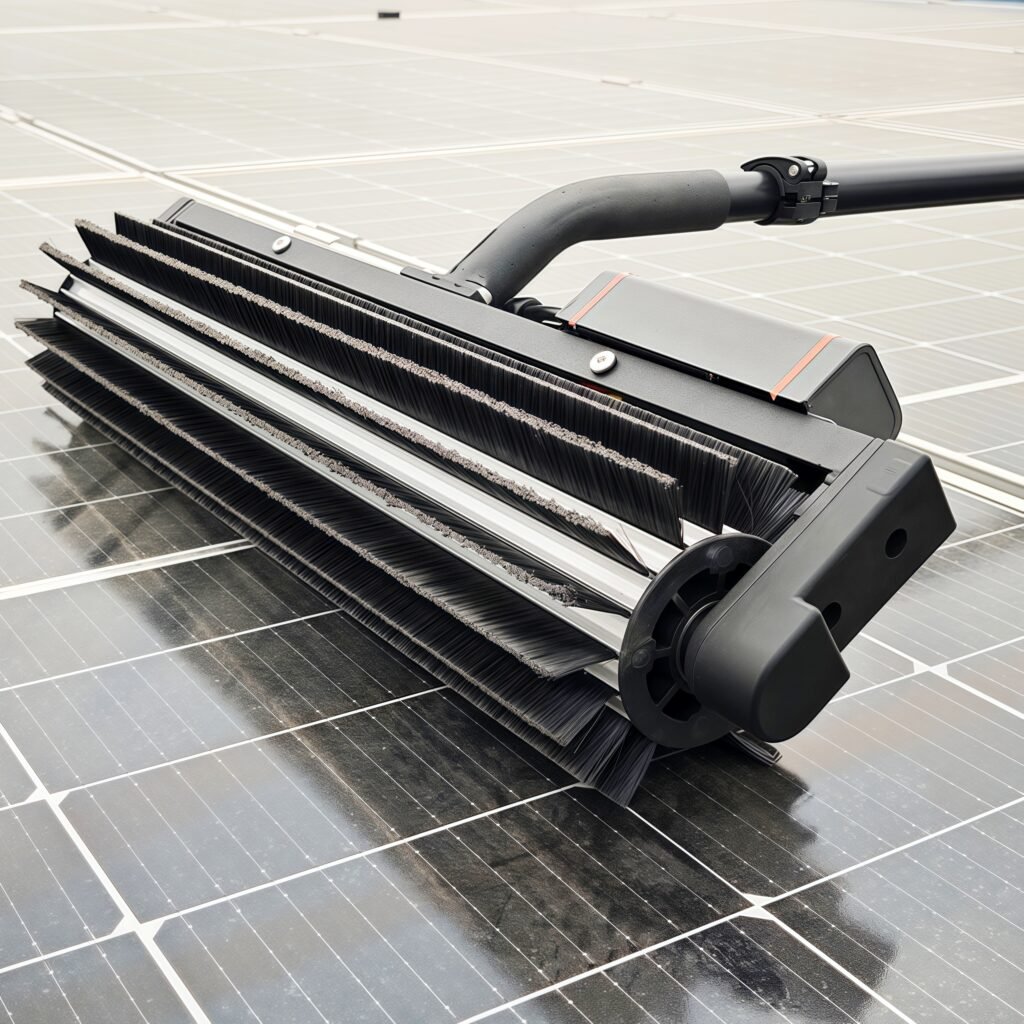
The rotary brush for solar panel cleaning and the rotary solar panel cleaning brush represent the most powerful category in the lineup. Where long-handled and roller brushes rely on linear or rolling motion, rotary brushes use spinning bristle heads, driven either manually or by an electric motor to generate far greater cleaning force per unit area. This makes them highly effective against stubborn, baked-on contaminants: bird droppings, tree sap, oily residue, and dust that has hardened after rainfall.

Unlike roller brushes, which clean through rolling friction, rotary models clean through rotational friction, a motion that works into the texture of dried stains rather than simply passing over them. Most electric rotary solar panel cleaning brushes operate between 300 and 600 RPM, a range that delivers strong cleaning action while staying below the threshold at which bristle friction could damage the anti-reflective coating. Overall, rotary brushes are the right choice for panels with heavy soiling, commercial or industrial installations with high cleanliness standards, and any situation where a standard brush simply is not getting the job done.

Purchase and Sales Guide for Rotary Solar Panel Cleaning Brushes

4.1 Core Purchasing Points

When evaluating a rotary solar panel cleaning brush for sale, three areas deserve close attention.

First, bristle quality: the bristles must be confirmed soft, wear-resistant, and non-abrasive on glass. Ask for Shore hardness specifications if buying in bulk; anything in the medium-hard range or above is a risk. The rotation mechanism itself should spin smoothly with no grinding or catching, which signals poor manufacturing tolerances that will worsen over time.

Second, handle adaptability: check that the handle length and motor power match your specific use case. A household buyer cleaning a 10-panel rooftop has very different needs from a facility manager maintaining a 500-panel commercial farm. Household models prioritise portability and ease of use; commercial models prioritise durability and continuous-use performance.

Third, cost-effectiveness: the price gap between entry-level and professional-grade rotary brushes is significant, but so is the performance difference. Avoid over-specifying for simple residential use, but do not underspend for commercial applications; a brush that fails mid-contract costs far more than the price difference.

4.2 Sales Scenarios and Target Groups

The market for a rotary solar panel cleaning brush for sale spans three main buyer groups. Photovoltaic power station operators purchase in volume and prioritise durability, bulk pricing, and after-sales support. Household solar panel owners buy individually and respond to ease-of-use messaging, compact storage, and clear cleaning results. Professional solar cleaning companies buy in batches and care most about reliability, compatibility with their existing pole systems, and the brush's ability to handle varied soiling types across many job sites.

The strongest selling points to lead with are efficiency and labour savings; a rotary brush cuts cleaning time significantly versus manual methods, and its stubborn-stain capability, which sets it apart from long-handle or roller alternatives. Clear usage instructions and a demonstrable build quality are the two factors that most reliably convert interested buyers into repeat customers.

Usage Notes for Solar Panel Cleaning Brushes

A few universal rules apply to all brush types. Always turn off the solar inverter before starting any cleaning session; water and live electrical systems are a dangerous combination. Never use a brush with stiff or medium-hard bristles, and avoid pressing down hard during cleaning; gentle, consistent strokes remove dirt without risking the coating.

For the long brush for solar panel cleaning and the long handle brush for cleaning solar panels: always verify that pole sections are locked firmly before extending to full height. A loose connection at 5 or 6 meters is a serious safety hazard. Check the locking collar before every use.

For the roller brush for solar panel cleaning, clean the roller after each session. Dirty rollers redistribute grime across the panel surface rather than removing it, causing what is sometimes called secondary contamination. A quick rinse and air-dry after use keeps the roller effective.

For the rotary brush for solar panel cleaning and the rotary solar panel cleaning brush: keep the motor speed within the manufacturer's recommended range. Higher RPMs feel more powerful, but increases the risk of micro-abrasions on the glass. After each session, remove bristle debris, rinse the head, and store it in a dry location away from direct sunlight, which degrades bristle flexibility over time.

Conclusion

The right solar panel cleaning brush is a practical tool that protects a long-term investment. Each type covered in this guide has a clear role: the long brush for solar panel cleaning and long handle brush for cleaning solar panels handle reach and routine maintenance; the roller brush for solar panel cleaning delivers speed and wide coverage for large arrays; the rotary brush for solar panel cleaning and rotary solar panel cleaning brush bring the power needed to tackle stubborn stains and deep-clean commercial installations.

Choose the brush that matches your installation's actual conditions, height, panel size, typical soiling type, and cleaning frequency, and you will get more energy from your panels, extend their working life, and spend far less time and effort keeping them in peak condition.

Keep Your Solar Panels at Peak Performance – Safely & Easily

Keep Your Solar Panels at Peak Performance – Safely & Easily

Solar energy is widely adopted and provides power to millions of homes and businesses. According to the International Energy Agency (IEA), solar power is leading global renewable growth because more consumers consider it an affordable, clean, and reliable energy source. However, to keep your solar panels at peak performance and efficiency, one simple yet overlooked way is their cleanliness.

Solar panels are constantly exposed to outdoor elements such as dust, pollen, bird droppings, and air pollution, and this exposure makes a layer of debris that eventually blocks sunlight from reaching the cells. Over time, this blockage reduces the energy efficiency and overall output.

That’s why regular cleaning is essential to maintain an optimal energy production. However, cleaning solar panels isn’t as simple as wiping them down with any tool because the use of the wrong equipment can scratch or damage the delicate surface of solar panels. That’s where the soft-bristle brush for cleaning solar panels comes in use.

The best brushes for solar panel cleaning, like solar panel cleaning rotating brush and soft bristle brush for cleaning solar panels, are specifically designed to remove dirt without causing harm. If you are enjoying the renewable energy source from solar panels, you must make sure to cleaning solar panel with the right cleaning brushes to maximise the energy generation.

Why Cleaning Solar Panels Matters

Regular cleaning is essential to ensure solar panels operate at peak efficiency, as even a thin layer of dust, pollen, or bird droppings can block sunlight and significantly reduce energy output. Research shows that dirty solar panels can lose 15% to 25% of their efficiency, and in heavily polluted environments, losses can exceed 30%.

Hotspots: The Hidden Threat

Over time, this buildup may also create hotspots that can damage the panels and shorten their lifespan. On the other hand, routine cleaning can restore most of this lost efficiency and ensure consistent performance. Using the best brush for solar panel cleaning is crucial because the right brush allows you to remove debris safely without scratching the surface.

Protecting Your Long-term Investment

If you want to protect your long-term investment, solar panel cleanliness with a soft-bristle brush for cleaning solar panels is a must.

Impact on Energy Output

When dust, dirt, and pollen accumulate, they form a layer that directly reduces electricity generation. Since solar panels rely on maximum sunlight exposure to function efficiently, even partial shading can have a noticeable impact on output.

Lowering System Performance

This energy reduction due to the debris layer overall lowers the system performance and reduces the optimal power output. Regular care, including the use of a cleaning solar panel machine tools, helps prevent buildup that could otherwise lead to long-term damage.

Why You Should Avoid Harsh Cleaning Tools

Improper or harsh cleaning tools can do more harm than good. Abrasive brushes, rough sponges, or high-pressure water jets can scratch the protective glass surface, reduce light absorption, and even damage the photovoltaic cells beneath.

Scratches from Hard Bristles

Hard or abrasive brushes cause micro-abrasions that reduce sunlight absorption and overall efficiency. This non-reviving loss urges you to avoid hard-bristle cleaning tools and use a soft-bristle cleaning brush to maintain your solar system.

Pressure Washers Can Be Risky

Many solar panel owners use pressure washers because they consider them a quick cleaning solution. However, the high water pressure can damage panel seals and sensitive electrical components. For solar panel cleaning purposes, careful and low-pressure cleaning methods with cleaning solar panel machine tools are always recommended.

The Importance of Using a Soft Bristle Brush

A soft-bristle brush is the safest choice because it effectively removes dust, dirt, and debris without scratching the glass or damaging delicate cells. If you use the cleaning solar panel brush specifically designed for this purpose, you can enjoy the long-term investment.

What Makes the Best Brush for Solar Panel Cleaning

Maintenance and cleaning of solar panels demands a tool designed specifically for the delicate surface of photovoltaic panels. The best brush for solar panel cleaning combines features that ensure safety, efficiency, and ease of use.

Soft Bristles That Protect the Panel Surface

The first thing to consider is the bristles. Soft bristles are gentle enough to avoid scratching the glass surface while still being strong enough to remove stubborn dirt, bird droppings, and pollen.

Wide Brush Head for Faster Cleaning

A wide brush head is a game-changer for large installations. It covers more surface area in each pass and significantly reduces the time and effort required to maintain multiple panels.

Lightweight and Extendable Handle

Lightweight designs reduce fatigue during cleaning, while extendable handles allow you to reach panels without ladders or scaffolding. This versatility ensures that every part of your solar system is cleaned properly.

Benefits of Using a Rotating Solar Panel Cleaning Brush

For larger solar installations or areas with heavy dust and debris, a solar panel cleaning rotating brush offers a highly efficient cleaning solution. It is a smart investment for both commercial operators and anyone managing extensive solar systems.

Faster Cleaning for Large Installations

One of the biggest advantages of a solar panel cleaning rotating brush is its speed. The rotating action allows the brush to cover larger areas in less time, making it an ideal choice for rooftops with multiple panels.

More Efficient Dirt Removal

The spinning motion provide more thorough cleaning than a traditional manual brush. It can dislodge stubborn dirt and bird droppings without scratching the protective glass.

Ideal for Commercial Solar Farms

Rotating brushes are particularly well-suited for large-scale installations, such as commercial solar farms or utility-scale solar arrays. These brushes ensure thorough and consistent cleaning with maximum energy production.

Step-by-Step Guide: How to Clean Solar Panels Safely

  1. Step 1: Turn Off the Solar System: Switch off your solar system at the main inverter or breaker. Safety always comes first.
  2. Step 2: Rinse the Panels with Clean Water: Always avoid high-pressure water. Use a hose with clean, lukewarm water to remove loose debris.
  3. Step 3: Use a Soft Solar Panel Cleaning Brush: Choose a brush with soft bristles to remove dirt while protecting the delicate surface.
  4. Step 4: Gently Scrub the Surface: Work in smooth, horizontal strokes, and always apply light pressure.
  5. Step 5: Rinse and Allow the Panels to Dry: Rinse thoroughly with clean water and let the panels air dry naturally.

How Often Should Solar Panels Be Cleaned?

Individual Homes

For most residential panels, cleaning 2–3 times per year is sufficient, or whenever noticeable dirt or bird droppings accumulate.

Dusty or Sandy Areas

In desert or industrial zones, panels may require monthly cleaning to prevent a significant drop in energy output.

Large Commercial or Utility-Scale Installations

Solar farms should follow scheduled maintenance every 1–2 months using a specialized cleaning solar panel brush.

Conclusion

Clean solar panels are essential for maximising energy production. The right best brush for solar panel cleaning provides a safe and effective solution, gently removing dirt without harming the panels. With the right cleaning solar panel tools, homeowners and businesses can keep their solar systems operating at peak performance for years to come.

The Ultimate Guide to Solar Panel Cleaning Brushes: Best Brush, Pole, and Kit

Winter snow is approaching. Is your photovoltaic power station ready? product image

The Ultimate Guide to Solar Panel Cleaning Brushes: Best Brush, Pole, and Kit

Solar panels are a significant investment, designed to harness the sun’s energy for years to come. However, their efficiency can be compromised by dirt and grime. Regular cleaning solar panels is essential to maintain optimal performance, but it must be done correctly.

Using abrasive materials or harsh chemicals can damage the delicate glass surface. This is why selecting the right solar panel cleaner brush is about protecting your system. A solar panel cleaning brush and pole system allows homeowners to cleaning solar panels on roof safely from the ground. Let’s dive into how to choose the right solar panel cleaning tools for your needs.

Why Using the Right Solar Panel Cleaning Brushes Matters

Solar panels feature a tempered glass surface with an anti-reflective layer. The wrong cleaning tool can leave micro-scratches that permanently reduce light transmission. Thus, the right cleaning brushes are essential to make your investment worthwhile.

Common Mistakes Homeowners Make

Mistakes like using metal wire brushes or harsh chemicals can dissolve anti-reflective coatings. Dedicated solar panel cleaner brushes are specifically designed to address these concerns.

Benefits of Specialized Formulas

A purpose-built solar panel cleaner brush is engineered to work seamlessly with water or mild cleaning solutions.

Types of Solar Panel Cleaning Brushes

Choose the right tool for your specific situation. Here is a breakdown of the main categories:

Soft Bristle Brushes

These are made from nylon or microfiber and are the most commonly used brushes for residential applications.

Water-Fed Brushes

Designed with hollow bristles that allow water to flow through while brushing, making the process faster and more thorough. These are common in a complete solar panel cleaning brush kit.

Rotating or Telescopic Brushes

Features adjustable angles and rotating heads for hard-to-reach sections. It is often sold as part of a solar panel cleaning brush and pole system.

The Importance of a Solar Panel Cleaning Brush and Pole System

This combination is widely regarded as the safest and most practical approach for residential maintenance.

Key Benefits: Safety and Reach

A long-handled brush for cleaning solar panels on roof installations eliminates the need for ladders. Lightweight materials such as aluminium or carbon fibre reduce arm fatigue.

Carbon Fibre Poles: The Premium Choice

Carbon fibre poles offer an excellent strength-to-weight ratio for professional and serious DIY homeowners alike.

What to Look for in a Solar Panel Cleaning Brush Kit

A solar panel cleaning brush kit is a bundled package that typically includes everything you need: brush heads, a telescopic pole, and connectors.

Key Features to Evaluate

  • Bristle softness: Must be non-abrasive.
  • Pole material: Lightweight aluminium or carbon fibre.
  • Brush width: 12 to 18 inches for efficient coverage.

Step-by-Step Guide: How to Clean Solar Panels Using a Long-Handled Brush

Step 1: Safety Preparation

Turn off the solar system following the manufacturer’s shutdown procedure. Inspect your long-handled brush and pole for cracks.

Step 2: Assemble Your Brush and Pole

Connect the brush head to the pole and test if the connection is secure. If using a water-fed system, attach the hose.

Step 3: Dry Debris Removal

Use the solar panel cleaning tools without water first to gently sweep off loose dust and leaves.

Step 4: Brush the Panels

Start from the top and use your long-handled brush to clean the solar panels with gentle, overlapping strokes.

Step 5: Rinse and Squeegee

For spot-free results, attach a squeegee to your solar panel cleaning tools and remove excess water. Never press hard or force the brush.

Maintenance and Care for Your Brushes

Proper care of your solar panel cleaning tools extends their lifespan. Rinse thoroughly with clean water after each use.

Frequently Asked Questions (FAQ)

Can I use any soft brush for my solar panels?

Not all soft brushes are safe. Household brushes can generate static or cause micro-abrasions. Always use cleaning solar panel tools specifically labelled as non-abrasive.

What is the ideal pole length?

Measure from the ground to the lowest edge of your array, then add 3 to 5 feet for a comfortable working angle.

Will using brushes void my warranty?

Correct cleaning of solar panels using non-abrasive brushes should not void your warranty. Avoid power washers or harsh chemicals.

Conclusion

Investing in a quality solar panel cleaning brush kit is a cost-effective way to protect your investment. With the right pole length and soft-bristled brush, you can maintain your panels safely and effectively from the ground.

The Complete Guide to Cleaning Solar Panels: Tools, Cleaners & Safety Tips

The Ultimate Guide to Solar Panel Cleaning Brushes: Best Brush, Pole, and Kit

Solar panels are a significant investment, designed to harness the sun’s energy and convert it into electricity for your home or business for years to come. However, their efficiency can be compromised due to constant exposure to dirt, dust, pollen, bird droppings, tree sap, and airborne pollutants, which form a layer and block sunlight. Even a thin film of grime can reduce energy output by a measurable margin that undermines the return on your investment.

Regular cleaning solar panels is essential to maintain optimal performance, but it must be done correctly. Using abrasive materials or harsh chemicals can damage the delicate glass surface and void warranties. This is why selecting the right solar panel cleaner brush is about protecting your system. Specialised solar panel cleaning brushes are engineered with soft, non-abrasive bristles to clean effectively without scratching the panel surface or stripping protective coatings.

A solar panel cleaning brush and pole system allows homeowners to clean their panels safely from the ground without the need for ladders or roof climbing. If you want the detailed guide on choosing the best solar panel cleaning brushes, then stick here, because we cover everything from understanding brush types to choosing the best solar panel cleaning brush kit, and we walk you through how to use a long handled brush for cleaning solar panels step by step. Let’s dive in!

Why Using the Right Solar Panel Cleaning Brushes Matters

Solar panels feature a tempered glass surface, often coated with an anti-reflective layer that maximises the light absorption. This coating is highly sensitive to abrasion, and the wrong cleaning tool can leave micro-scratches that permanently reduce light transmission and overall efficiency. Thus, the right cleaning brushes are essential to make your investment worthwhile.

Common mistakes homeowners make include:

  • Use of metal wire brushes or scouring pads that scratch the glass
  • Application of stiff-bristled household brooms that generate friction and static
  • Use of harsh chemical cleaners that dissolve anti-reflective coatings

The Role of Specialized Brushes

Some dedicated solar panel cleaning brushes are specifically designed to address these concerns. They feature soft nylon or microfiber bristles that gently lift dirt, dust, and debris without causing surface damage. A purpose-built solar panel cleaner brush is also engineered to work seamlessly with water or mild cleaning solutions that maximise the cleaning effectiveness while protecting the panel.

Most importantly, a long handled brush for cleaning solar panels eliminates the need to access your roof entirely. Ground-based cleaning is dramatically safer and reduces the risk of falls and injury. For many homeowners, this is the single biggest advantage of investing in a proper solar panel cleaning brush and pole system.

Types of Solar Panel Cleaning Brushes

You can have access to various types of solar panel cleaning brushes, but always choose the right tool for your specific situation. Here is a breakdown of the main categories:

Soft Bristle Brushes

  • These are made from nylon or microfiber and are the most commonly used solar panel cleaning brushes for residential applications
  • Gentle enough for anti-reflective coatings while still effective at removing dust and light grime
  • Typically serves as the primary solar panel cleaner brush in most starter and professional kits

Water-Fed Brushes

  • It is designed with hollow bristles or a central channel that allows water to flow through while brushing
  • Simultaneously scrubs and rinses the panel surface, making cleaning faster and more thorough
  • Commonly found in complete solar panel cleaning brush kit options, and is ideal for regular maintenance routines

Rotating or Telescopic Brushes

  • Features adjustable angles and rotating or pivoting heads for hard-to-reach panel sections
  • It is designed to maintain flush contact with the panel surface regardless of brush angle
  • It is often sold as part of a solar panel cleaning brush and pole system with universal connector compatibility

The Importance of a Solar Panel Cleaning Brush and Pole System

A solar panel cleaning brush and pole system combines a specially designed brush head with an extendable pole, and creates a complete ground-based cleaning solution. This combination is widely regarded as the safest and most practical approach for residential solar panel maintenance.

Key benefits of a brush and pole system include:

  • Safety: Eliminates the need for ladders or roof access, and dramatically reduces the fall risk
  • Reach: Allows comfortable access to panels on single and multi-story roofs from the ground
  • Control: Provides the leverage and precision needed for effective scrubbing across the entire panel surface

Material Selection: Aluminium vs. Carbon Fibre

A long handled brush for cleaning solar panels typically features lightweight materials such as aluminium or carbon fibre. These materials keep the pole manageable even when fully extended and reduce arm fatigue during longer cleaning sessions.

Why Choose Carbon Fibre?

Carbon fibre poles offer an excellent strength-to-weight ratio and make them the premium choice for professionals and serious DIY homeowners alike.

What to Look for in a Solar Panel Cleaning Brush Kit

A solar panel cleaning brush kit is a bundled package that typically includes everything you need to get started. Investment in a complete kit is often more cost-effective than purchasing individual components separately.

Key features to evaluate when choosing a kit:

  • Bristle softness: Look for bristles explicitly labelled “non-abrasive” or “safe for solar panels”
  • Pole material: Lightweight aluminium or carbon fibre for reduced fatigue and durability
  • Connector type: Universal snap-lock or screw-on for broad compatibility
  • Brush width: 12 to 18 inches is ideal for efficient coverage
  • Water compatibility: Look for water-fed brush heads with hose connectors

Step-by-Step Guide: How to Clean Solar Panels Using a Long-Handled Brush

Step 1: Safety Preparation

Turn off the solar system following the manufacturer’s recommended shutdown procedure. Inspect your long handled brush for cleaning solar panels and the pole for cracks, damage, or worn connectors. Ensure the ground beneath is stable and clear of obstacles before you begin.

Step 2: Assemble Your Solar Panel Cleaning Brush and Pole

Connect the brush head to the pole according to the manufacturer’s instructions and test if the connection is secure. If using a water-fed system, attach the hose and check for leaks before approaching the panels.

Step 3: Dry Debris Removal

Use the solar panel cleaning brushes without water first to gently sweep off loose dust, leaves, and pollen. This important first step prevents debris from mixing with water and forming mud that can scratch the surface.

Step 4: Apply Cleaning Solution (Optional)

If using a water-fed solar panel cleaner brush, add a mild, non-abrasive solar panel cleaner to the water supply. Alternatively, lightly spray the panels with water from the ground using a hose with a gentle spray nozzle.

Step 5: Brush the Panels

Start from the top of the array, and use your long-handled brush to gently scrub each panel. Use a smooth back-and-forth or side-to-side motion with light, even pressure. Let the brush and pole do the work; never press hard or force the brush.

Step 6: Rinse

If you have a standard solar panel cleaner brush (not water-fed), rinse each panel thoroughly with clean water from the ground after scrubbing.

Step 7: Squeegee or Air Dry

For spot-free results, attach a squeegee to your solar panel cleaning brush and pole system and remove excess water. For deionised or purified water, panels can be safely left to air dry without spotting.

Important Reminder

Never use metal tools, harsh chemical cleaners, or high-pressure power washers with your solar panel cleaning brushes. These can cause permanent damage to the panel surface and may void your warranty.

DIY vs. Professional Cleaning: When to Use Your Brush Kit

DIY Cleaning with a Solar Panel Cleaning Brush Kit

Best for single-story homes, ground-mounted systems, and physically capable homeowners. Offers significant cost savings over time and flexibility to clean on your own schedule.

Professional Cleaning

Best for multi-story roofs, steep pitches, or homeowners who are uncomfortable with heights. Professionals use commercial-grade long handled brushes for cleaning solar panel systems and carry insurance.

Maintenance and Care for Your Solar Panel Cleaning Brushes

Proper care of your solar panel cleaning brushes extends their lifespan and ensures consistent, safe performance with every use.

  • Rinse brushes thoroughly with clean water to remove dirt and residual agents.
  • Allow brushes to air dry completely before storing to prevent mould growth.
  • Regularly inspect the solar panel cleaner brush head for worn, flattened, or frayed bristles.
  • Check all pole connectors and locking mechanisms for wear; lubricate as recommended.
  • Store your solar panel cleaning brush kit in a dry, protected area away from direct sunlight.

Frequently Asked Questions (FAQ)

Can I use any soft brush as a solar panel cleaner brush?

Not all soft brushes are safe for solar panels. Even some household brushes with moderately soft bristles can contain materials that generate static electricity or cause micro-abrasions. Always use solar panel cleaning brushes specifically labelled as non-abrasive and safe for coated glass surfaces.

What is the ideal length for a long-handled brush for cleaning solar panels?

The ideal length depends on your roof height. Measure from the ground to the lowest edge of your solar array, then add 3 to 5 feet to ensure a comfortable working angle. Most telescopic poles extend between 12 and 24 feet.

Are solar panel cleaning brushes and pole systems universal?

Many modern solar panel cleaning brushes and pole systems use universal connectors (snap-lock or standard thread sizes) that allow brush heads and poles from different brands to be combined. However, it is always best to verify compatibility before purchasing components separately.

How often should I replace the brushes in my solar panel cleaning brush kit?

Replace brush heads when you notice flattened, frayed, or missing bristles. For homeowners cleaning panels every 2 to 3 months, brush heads typically last 1 to 2 years with proper care.

Can a solar panel cleaning brush kit be used with a water hose?

Yes, many solar panel cleaning brush kit options include water-fed brush heads designed to connect directly to a standard garden hose. This allows water to flow through the bristles during cleaning for a simultaneous scrub-and-rinse action.

Will using solar panel cleaning brushes void my panel warranty?

The use of correct solar panel cleaning brushes should not void your warranty. However, using abrasive tools, harsh chemicals, or high-pressure water jets may do so.

Conclusion

Maintenance of clean solar panels is one of the most impactful and cost-effective ways to protect your solar investment. Proper solar panel cleaning brushes with their soft, non-abrasive bristles make it possible to remove grime safely without risking damage to the panel surface or coatings. A complete solar panel cleaning brush and pole system elevates the process further by enabling ground-based cleaning that is safe, convenient, and highly effective.

how can brushing off snow ruin solar panels - how-to-clean-snow-from-solar-panels

Winter snow is approaching. Is your photovoltaic power station ready?

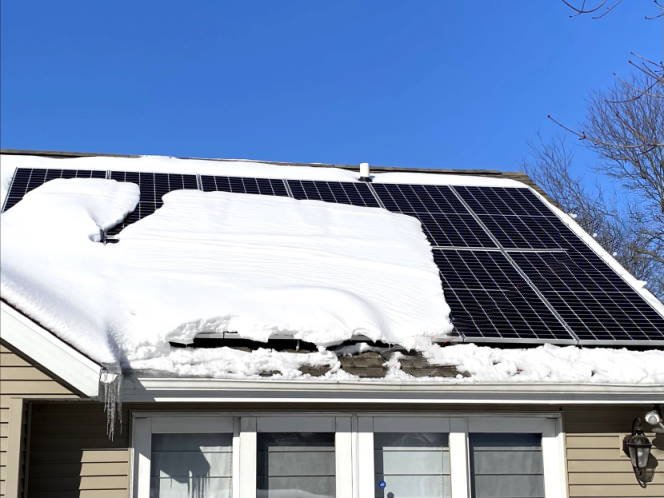
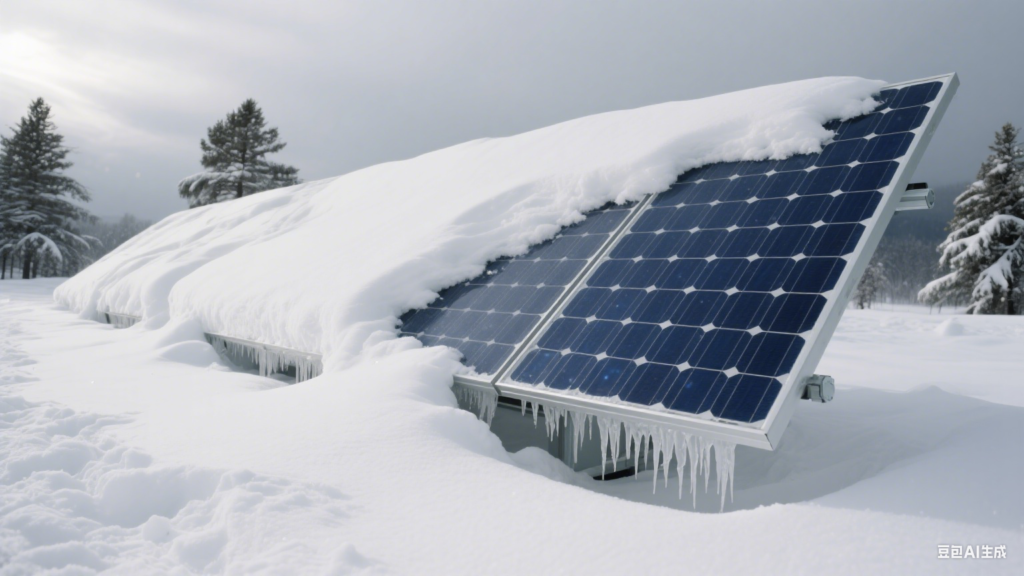
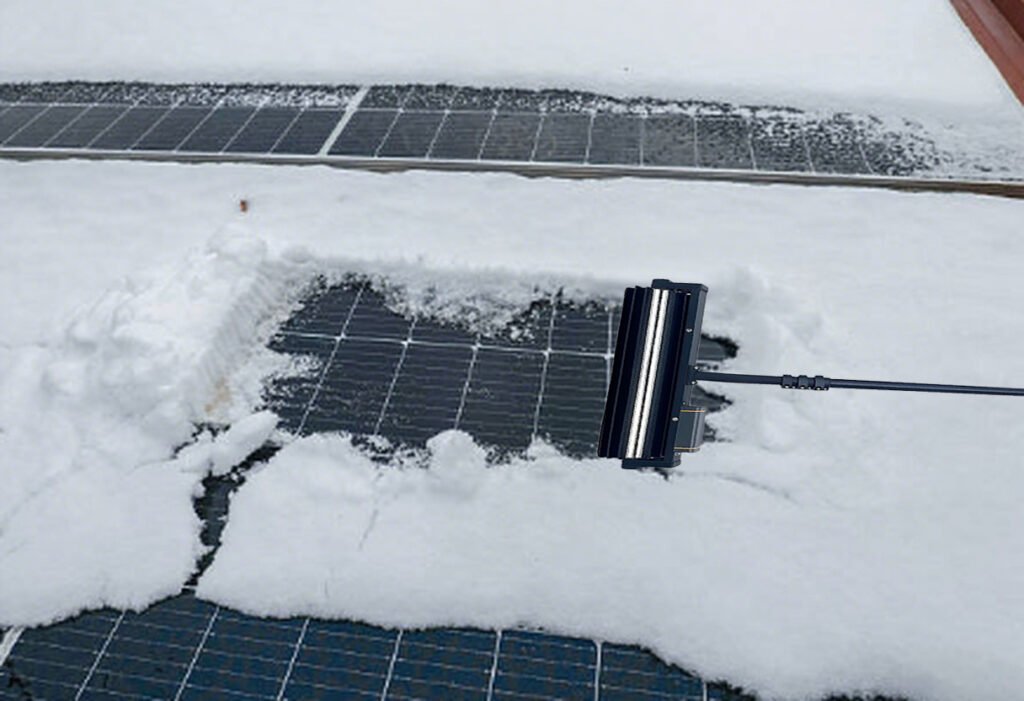
With the widespread adoption of solar power systems, the problem of winter snow accumulation has become a headache for many users. The thick snow not only causes the power generation efficiency to drop to zero, but also poses a risk of damaging the panels due to its weight. And with only a small ice shovel at hand, one might even have to use a household broom to scrape it off? But the worse part is that the ice on the vehicle melts and then sticks together with the panels, which may cause damage to the panels due to improper operation and even pose safety hazards. Clearing the snow as quickly and easily as possible is best. So what preparations should be made before snowfall?

Choosing a professional snow removal tool for solar panels is not a trivial matter; rather, it is a wise investment for protection, safety, and efficiency.

Winter snow is approaching. Is your photovoltaic power station ready? product image

I recommend the N1-rolling brush.

1.Damage-free cleaning of the panel

The surface of the solar panel is covered with anti-reflective coated glass. If you use a hard scraper, ordinary broom or metal tools to clean your solar panel, it will cause tiny scratches that will permanently reduce its light transmittance, thereby affecting the long-term power generation efficiency. The N1-rolling brush, on the other hand, uses a Nylon yarn brush. This material will not damage your panel. It sweeps away the snow in a pushing manner instead of using hard bristles or chisels, thus not scratching the panel and safeguarding the power generation efficiency.

Winter snow is approaching. Is your photovoltaic power station ready? product image

2.Extra-long handle, reaching every corner

Solar panels are usually installed in hard-to-reach places such as rooftops and ground supports.Solar panels are usually installed in hard-to-reach places such as rooftops and ground supports. The user-friendly mechanical design ensures that even when dealing with large amounts of snow, no excessive physical effort is required, significantly improving cleaning efficiency and safety.

Winter snow is approaching. Is your photovoltaic power station ready? product image

3.Efficient snow removal tools

The N1-rolling brush features a wide brush head (usually over 60 centimeters in size), and its design concept is “pushing” rather than “scraping”. The wide brush head can clean a large area at once, pushing the accumulated snow away from the edge of the panel. It cleans quickly, requiring only a few pushes and pulls to restore a whole row of panels to normal operation, allowing your power generation system to resume work promptly and reducing power generation losses.

Winter snow is approaching. Is your photovoltaic power station ready? product image

4.Durable material with long lifespan

In winter, ordinary plastics tend to become brittle and prone to breakage. However, the N1-rolling brush head has the characteristics of water resistance and anti-freezing. Even at low temperatures, it remains structurally solid and durable, allowing it to accompany you through countless winters.

Winter snow approaching - photovoltaic power station maintenance

5.Multi-functional Use, Beyond the Application Value of Solar Panels

The N1-rolling brush is not limited to a single function. Investing in a professional snow removal broom can demonstrate its value in multiple scenarios.

Apart from perfectly cleaning solar panels, you can also use it for:

(1) Safely removing snow from the roof of vehicles to avoid scratching the paint.

(2) Cleaning snow and icicles from roof gutters.

(3) Dealing with any delicate surfaces that require gentle and efficient snow removal, such as patios, corridors, SPA shower covers, etc.

(4) With its versatile functions, it greatly enhances its usability and cost-effectiveness.

brushed motor2

Conclusion:

Solar panels represent a long-term green energy investment, and their power generation efficiency directly affects the return on investment. Using unprofessional tools for snow removal may seem like saving a small amount of money, but it could actually cause damage to the panels, resulting in a loss of hundreds or even thousands of degrees of power generation each year. It’s not worth it.

Choosing a professional solar panel snow removal broom like the N1-rolling brush is responsible for your personal safety and a wise guarantee for the long-term, efficient and stable operation of your photovoltaic system. Let it become your reliable assistant for maintaining your photovoltaic system in winter, easily dealing with snowy weather and ensuring the maximum benefit from sunlight.

The Complete Guide to Cleaning Solar Panels: Tools, Cleaners & Safety Tips

The Complete Guide to Cleaning Solar Panels: Tools, Cleaners & Safety Tips

Your solar panels work hard every single day to convert sunlight into usable electricity. But dust, bird droppings, pollen, and airborne debris actively rob your system of the energy it should be producing.

Cleaning solar panels isn’t just a cosmetic chore but a critical maintenance step that protects your investment and keeps your system running at its best. Research shows that dirty panels can lose anywhere from 5% to 20% of their output efficiency, and in some high-dust environments, that figure climbs even higher.

You need to know the right tools, cleaners and safety tips to cleaning solar panels and to ensure maximum energy production. If you want to know how to choose the right solar panel cleaner, which solar panel cleaning tools actually work, and how to safely tackle cleaning solar panels on roof installations without putting yourself at risk, then this guide is for you.

Why Cleaning Matters: Boosts Efficiency and Extends Lifespan

On the surface of a solar panel, a little dust seems harmless because the sun is still shining, right? But even a thin, seemingly invisible layer of particulate matter on your panel’s glass surface can have a disproportionate impact on its performance. Solar photovoltaic cells are extraordinarily sensitive to the quality and quantity of light they receive. When grime builds up, it reduces brightness and blocks specific wavelengths of light that are most critical for energy conversion.

Studies from solar research institutions around the world have documented efficiency losses ranging from 5% to 20% due to soiling, with some desert-region panels losing even more between cleaning cycles. Regular cleaning solar panels closes that gap and restores your system to its designed output.

Hotspots: The Hidden Enemy

Beyond simple output loss, accumulated dirt, especially concentrated deposits like bird droppings, can cause what engineers call “hotspots.” A hotspot in a solar panel occurs when one section of a panel is shaded while the rest generates electricity normally. The shaded cells are forced to act as resistors, absorbing the energy generated by neighbouring cells as heat rather than passing it along.

Over time, this overheating degrades the cell structure, causes permanent damage and significantly shortens the panel’s operational lifespan. This is one of the most compelling reasons to clean the solar panels because stubborn deposits on the panel surface can create chronic hotspots that can reduce the effectiveness of your solar system. Thus, cleaning solar panel is not an option to maintain a sustainable energy source.

The Cleaning Challenges of Rooftop Installations

Cleaning solar panels on the roof presents challenges that ground-mounted systems simply don’t have. Rooftop panels tend to accumulate more debris because they’re exposed to a wider range of environmental inputs, including windblown dust and pollen, nesting birds, falling leaves from nearby trees, and roadside particulates. The accumulation rate can be significantly higher than what you expect from panels closer to the ground.

Moreover, cleaning solar panels on roof introduces genuine physical risks because working at height on sloped, potentially slippery surfaces demands careful planning. However, effective and safe cleaning must go hand in hand to get maximum energy production.

The Core Choice: Finding the Right Solar Panel Cleaner

Walk into any hardware store, and you’ll find dozens of general-purpose cleaning products. It’s tempting to grab whatever’s under the kitchen sink and head up to the roof, but when it comes to cleaning solar panel glass and frames, the choice of cleaner matters more than most people realise. Here, the wrong product can do more harm than the dirt itself to your solar system.

Dedicated Solar Panel Cleaner vs. Household Products

A purpose-formulated solar panel cleaner maintains a neutral pH and is non-corrosive, meaning it won’t attack the aluminium framing or the rubber seals around the panel edges. Most importantly, many dedicated solar panel cleaner products include anti-static agents that help repel dust after cleaning and slow the rate at which your panels get dirty again.

Whereas, common household detergents often contain surfactants, fragrances, and pH modifiers that leave residue on glass. Some leave a thin film that actually attracts more dust over time and offers the exact opposite of what you need.

What to Strictly Avoid

When cleaning solar panel surfaces, the following must be avoided entirely:

  • Strong acids: Vinegar in high concentrations, rust removers, or lime-scale treatments must be avoided. These can etch the glass and damage anti-reflective coatings permanently.
  • Alkaline cleaners: Bleach, ammonia-based products, or oven cleaners attack metal frames and seals, and accelerate corrosion.
  • Abrasive cleaners or scrubbing powders: Even micro-abrasives can scratch the glass surface, create tiny crevices where dirt accumulates more easily and where light transmission is permanently compromised.

Waterless Cleaning Solutions: A Smart Alternative

Waterless solar panel cleaner products are a compelling option for homeowners in water-scarce regions or for those who want to avoid the risk of water spots and mineral deposits. Electrostatic dry-cleaning solutions use charge-based technology to lift and remove dust without any liquid and leave no residue behind. These products are particularly useful during dry seasons or in areas where tap water has a high mineral content.

Hard water can leave calcium and magnesium deposits on panels that are almost as problematic as the dirt you’re trying to remove, and a waterless solar panel cleaner eliminates that risk.

Essential and Advanced Solar Panel Cleaning Tools

Even the best solar panel cleaner can’t do its job if you’re applying it with the wrong equipment. The right solar panel cleaning tools make the difference between a safe, efficient clean and a frustrating or even dangerous experience.

Solar panel dual-head electric cleaning brush - advanced solar panel cleaning tools

Microfiber Mop or Pad

Microfiber is the gold standard material for cleaning solar panels because it’s non-abrasive, highly absorbent, and capable of trapping fine particles without scratching. A microfiber mop head attached to a flat applicator frame gives you excellent surface coverage with gentle, even pressure. This is an absolute must-have among solar panel cleaning tools.

Squeegee with Rubber Blade

After applying cleaner and loosening dirt, a good squeegee removes the dirty water efficiently and streak-free. Choose a squeegee with a soft, pliable rubber blade that makes full contact across the panel face. Window-cleaning squeegees work well, but wider blade heads (12–18 inches) are more efficient for the larger surface area of solar panels.

Telescopic Extension Poles

For anyone dealing with cleaning solar panels on the roof, telescopic poles are arguably the single most important safety investment you can make. A high-quality extendable pole, available in lengths from 6 feet to over 20 feet, allows you to reach panels from the ground or from a safe standing position on a ladder landing, without having to step onto the roof surface itself.

Most telescopic poles are compatible with both mop heads and squeegee attachments and are considered the versatile solar panel cleaning tools that form the backbone of a safe cleaning setup.

Advanced Tools for Larger or More Complex Installations

If you have large or more complex installations, then a set of advanced solar panel cleaning tools can dramatically improve efficiency and results.

  • Rotating Cleaning Brushes: Soft-bristle rotating heads agitate and lift stubborn grime, including dried bird droppings, without requiring heavy scrubbing pressure that could scratch the glass.
  • Water-Fed Pole Systems: These systems connect to your water supply and deliver a continuous flow of water through the pole to a brush head, and combine scrubbing and rinsing in a single pass.
  • Deionised Water Systems: Deionised water systems eliminate the risk of mineral deposits and water spots by removing dissolved minerals from your water before it touches the panels. The panels dry spot-free.

Essential Safety Equipment for Rooftop Work

If cleaning solar panels on the roof cannot be avoided and you must physically access the roof surface, proper safety equipment is non-negotiable:

  • A full safety harness with anchor points properly secured to the roof structure
  • Non-slip footwear with rubber soles that grip roofing materials without any damage
  • A fall arrester device that will engage automatically if you slip

However, the single best safety advice for cleaning solar panel surfaces on the roof is to use your telescopic pole from the ground whenever physically possible. The best solar panel cleaning tools are the ones that keep your feet on solid ground.

A Complete Workflow from Preparation to Finish: Step-by-Step Guide

Now that you know what to use, let’s walk through exactly how to use it. Whether you’re doing a quick monthly maintenance clean or tackling a panel that hasn’t been touched in over a year, follow these steps for effective cleaning solar panels.

Solar panel cleaning step by step - using proper solar panel cleaning tools

Step 1: Safety and Preparation

Before you touch a single panel, shut down your solar system at the inverter and, if your setup allows, at the DC isolator switch.

Next, check the weather. The ideal cleaning conditions are overcast or early-morning hours when the panels are cool. Cleaning in direct midday sun causes the solar panel cleaner to evaporate too quickly and leave streaks and residue. Avoid cleaning on windy days when debris can be blown onto wet panels, and never clean when rain or frost is forecast within the next few hours.

Gather all your solar panel cleaning tools before you start: telescopic pole, microfiber mop, squeegee, your chosen solar panel cleaner, a bucket of clean water, and any safety equipment needed for your specific setup.

Step 2: Dry Cleaning – Remove Loose Debris First

It is essential to remove loose sand, dust, and leaf litter from the panel surface using a soft dry brush or a low-pressure air blower before any liquid cleaner. If you go straight to wet cleaning solar panels without this dry pass, you’ll be dragging abrasive grit across the glass under pressure, which risks micro-scratching the surface over time. Think of this as the dry preface that makes wet cleaning solar panels both safer and more effective.

Step 3: Wet Cleaning – Apply, Scrub, and Work Systematically

Apply your diluted solar panel cleaner to the microfiber mop head and work from the top of the panel downward. Use gentle, overlapping strokes. If you are cleaning solar panels on the roof from a standing position, keep your centre of gravity low and stable. Position your feet shoulder-width apart, perpendicular to the slope direction, and never reach so far that you shift your weight toward the panel edge.

Step 4: Rinse, Squeegee, and Final Inspection

After scrubbing, rinse each panel thoroughly with clean water, ideally deionised to remove any remaining cleaner residue. Follow immediately with the squeegee, drawing it across the panel face in a single smooth pass from top to bottom. Once the panels are clean and dry, take a few minutes to inspect them closely. Look for stubborn stains, persistent bird droppings, or hard-water deposits that may require a second targeted pass with your solar panel cleaner.

Check the frame edges and mounting hardware for signs of corrosion or physical damage while you have a clear view. A clean panel is also an inspected panel, and catching minor issues early prevents major repairs later.

Professional Service vs. DIY: Making the Right Choice for Your Situation

Once you understand what cleaning solar panels actually involves, a natural question emerges: should you do this yourself, or is it worth paying someone else? Both approaches have genuine merit, and the right choice depends on your specific circumstances.

The Case for DIY Cleaning

For most single-story homes with accessible, low-pitched roofs, DIY cleaning solar panel is a completely viable option. The upfront investment in quality solar panel cleaning tools and a good solar panel cleaner is typically a one-time cost of $50–$150 for a complete kit, and once you have the equipment, each subsequent cleaning costs almost nothing.

DIY also offers flexibility because you can clean on your schedule, respond quickly to a heavy pollen event or a bird nesting above your array, and develop a precise understanding of your own panels’ condition over time. Many homeowners find that cleaning solar panels once every 3𠄶 months is manageable and satisfying, particularly when they see the output data improve afterwards.

However, if your installation involves cleaning solar panels on the roof at a significant height, the risk profile changes substantially. No amount of saved money is worth a serious fall.

The Case for Professional Service

Professional solar cleaning services offer industrial-grade solar panel cleaning tools, deionised water systems, full safety certifications, insurance coverage, and trained technicians who work at height every day. For complex rooftop installations, multi-story buildings, or large commercial arrays, the professional route is the genuinely safer and more thorough option.

Beyond the cleaning itself, professional technicians double as inspectors. While they work, they can identify micro-cracks in panel glass, loose mounting brackets, degraded cabling insulation, and early signs of frame corrosion that a homeowner might easily miss.

How to Decide

  • DIY is a smart, cost-effective choice for a single-story home, a gentle roof pitch, and being comfortable with heights.
  • First time cleaning solar panels on the roof at significant height? Consider professional service, at least initially.
  • If you have a large commercial installation or high-output residential array, professional cleaning solar panel with deionised water systems will deliver measurably better results and comprehensive inspection value.

Conclusion

Solar panels are the most durable, low-maintenance technologies you can install on your home. Regular cleaning solar panels is the single most impactful thing you can do to ensure your system consistently delivers on its promise.

The right solar panel cleaner protects your panel’s glass and anti-reflective coatings from damage while effectively removing the dirt, dust, and biological deposits that silently drain your output. The right solar panel cleaning tools, especially telescopic poles, microfiber applicators, and squeegees, give you the reach and control to do the job safely and thoroughly.

Take stock of your setup, build a cleaning schedule that fits your environment and roof type, and commit to it. In most climates, cleaning every one to three months is a sensible starting point — more frequently if you’re near agricultural land, construction sites, or areas with heavy bird activity. Track your inverter output data before and after each clean to see the impact in real numbers.


Related Articles

5 Minutes to Clean Your Solar Panels

A complete guide to fast, efficient solar panel cleaning that saves you time and boosts output.

Read More →

How to Install Solar Panel Cleaning Brush?

Step-by-step installation guide for solar panel cleaning brushes on any rooftop setup.

Read More →

TOP 5 Best-Selling Solar Panel Cleaning Brushes

Buyer reviews and expert feedback on the top-rated solar panel cleaning brushes.

Read More →

how can brushing off snow ruin solar panels - how-to-clean-snow-from-solar-panels

Winter snow is approaching. Is your photovoltaic power station ready?

With the widespread adoption of solar power systems, the problem of winter snow accumulation has become a headache for many users. The thick snow not only causes the power generation efficiency to drop to zero, but also poses a risk of damaging the panels due to its weight. And with only a small ice shovel at hand, one might even have to use a household broom to scrape it off? But the worse part is that the ice on the vehicle melts and then sticks together with the panels, which may cause damage to the panels due to improper operation and even pose safety hazards. Clearing the snow as quickly and easily as possible is best. So what preparations should be made before snowfall?

Choosing a professional snow removal tool for solar panels is not a trivial matter; rather, it is a wise investment for protection, safety, and efficiency.

Winter snow is approaching. Is your photovoltaic power station ready? product image

I recommend the N1-rolling brush.

1.Damage-free cleaning of the panel

The surface of the solar panel is covered with anti-reflective coated glass. If you use a hard scraper, ordinary broom or metal tools to clean your solar panel, it will cause tiny scratches that will permanently reduce its light transmittance, thereby affecting the long-term power generation efficiency. The N1-rolling brush, on the other hand, uses a Nylon yarn brush. This material will not damage your panel. It sweeps away the snow in a pushing manner instead of using hard bristles or chisels, thus not scratching the panel and safeguarding the power generation efficiency.

Winter snow is approaching. Is your photovoltaic power station ready? product image

2.Extra-long handle, reaching every corner

Solar panels are usually installed in hard-to-reach places such as rooftops and ground supports.Solar panels are usually installed in hard-to-reach places such as rooftops and ground supports. The user-friendly mechanical design ensures that even when dealing with large amounts of snow, no excessive physical effort is required, significantly improving cleaning efficiency and safety.

Winter snow is approaching. Is your photovoltaic power station ready? product image

3.Efficient snow removal tools

The N1-rolling brush features a wide brush head (usually over 60 centimeters in size), and its design concept is “pushing” rather than “scraping”. The wide brush head can clean a large area at once, pushing the accumulated snow away from the edge of the panel. It cleans quickly, requiring only a few pushes and pulls to restore a whole row of panels to normal operation, allowing your power generation system to resume work promptly and reducing power generation losses.

Winter snow is approaching. Is your photovoltaic power station ready? product image

4.Durable material with long lifespan

In winter, ordinary plastics tend to become brittle and prone to breakage. However, the N1-rolling brush head has the characteristics of water resistance and anti-freezing. Even at low temperatures, it remains structurally solid and durable, allowing it to accompany you through countless winters.

Winter snow approaching - photovoltaic power station maintenance

5.Multi-functional Use, Beyond the Application Value of Solar Panels

The N1-rolling brush is not limited to a single function. Investing in a professional snow removal broom can demonstrate its value in multiple scenarios.

Apart from perfectly cleaning solar panels, you can also use it for:

(1) Safely removing snow from the roof of vehicles to avoid scratching the paint.

(2) Cleaning snow and icicles from roof gutters.

(3) Dealing with any delicate surfaces that require gentle and efficient snow removal, such as patios, corridors, SPA shower covers, etc.

(4) With its versatile functions, it greatly enhances its usability and cost-effectiveness.

brushed motor2

Conclusion:

Solar panels represent a long-term green energy investment, and their power generation efficiency directly affects the return on investment. Using unprofessional tools for snow removal may seem like saving a small amount of money, but it could actually cause damage to the panels, resulting in a loss of hundreds or even thousands of degrees of power generation each year. It’s not worth it.

Choosing a professional solar panel snow removal broom like the N1-rolling brush is responsible for your personal safety and a wise guarantee for the long-term, efficient and stable operation of your photovoltaic system. Let it become your reliable assistant for maintaining your photovoltaic system in winter, easily dealing with snowy weather and ensuring the maximum benefit from sunlight.